


Your shopping cart is empty!
Pumpkin "Connecticut field"
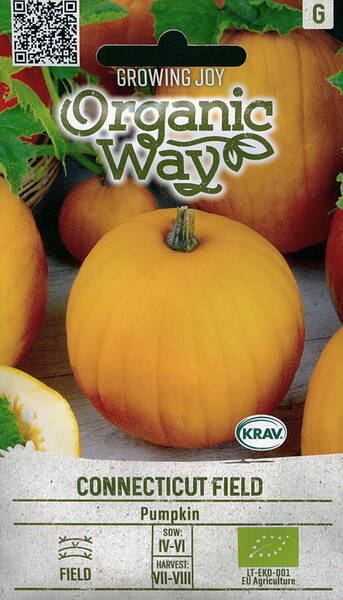
Eco seeds
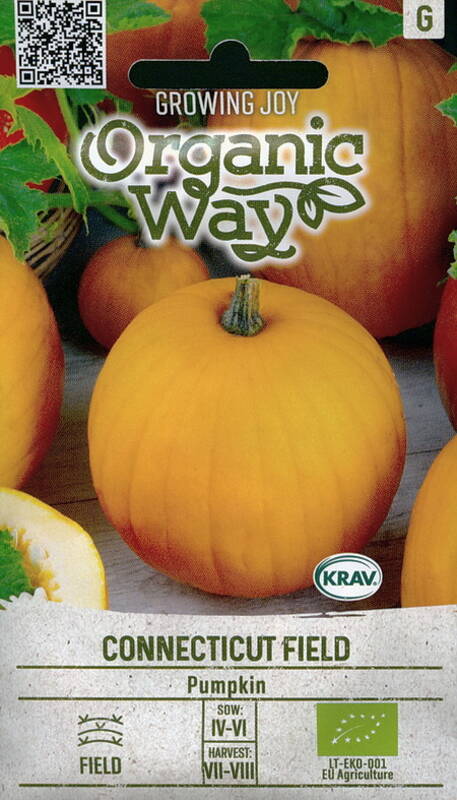
Pumpkin "Connecticut field".
Mid-early, productive variety: 95 days from emergence to harvest.
Medium-sized fruits, oval, 7–10 kg, with orange skin.
Orange, sweet flesh. Suitable for fresh use, stewing, boiling, or frying.
Sow for seedlings in April; transplant outdoors in May–June.
Direct sowing outdoors in late May–June. Planting pattern: 60 x 60 cm.
Responds very well to organic fertilization.
Mid-early, productive variety: 95 days from emergence to harvest.
Medium-sized fruits, oval, 7–10 kg, with orange skin.
Orange, sweet flesh. Suitable for fresh use, stewing, boiling, or frying.
Sow for seedlings in April; transplant outdoors in May–June.
Direct sowing outdoors in late May–June. Planting pattern: 60 x 60 cm.
Responds very well to organic fertilization.
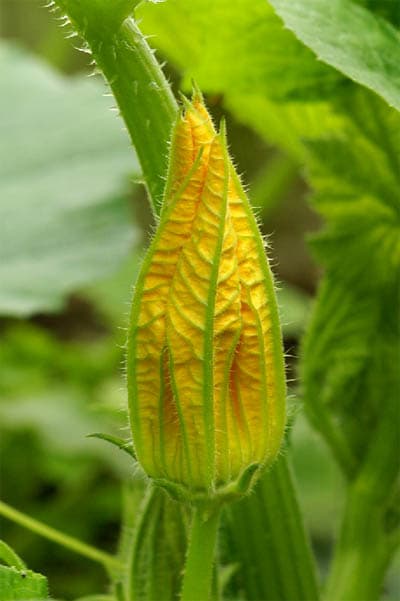
* Pumpkin seed milk is an unusual and original plant-based product with a pleasant taste and many valuable properties. To understand the benefits of such “milk,” it’s worth looking at its composition and how it affects the body.
Composition and value of pumpkin seed milk.
In essence, pumpkin seed milk is a drink made from ground seeds and drinking water, so its composition is very similar to pumpkin seeds and includes:
- B-group vitamins (including B1, B2, B5, B6, B9)
- vitamins E and K
- vitamin PP (niacin)
- choline
- trace elements: magnesium, manganese, copper, iron, fluoride, zinc, phosphorus, and selenium
- fiber
- a key feature of pumpkin seed milk: all these substances are present in higher amounts (soaking seeds in water helps unlock more of their valuable qualities).
From a nutrition standpoint, the drink is mainly fats — 6.4 g in 100 ml. Proteins are 3.9 g, and carbohydrates are very low — only 1.4 g. Total calorie content is about 72 kcal per 100 ml.
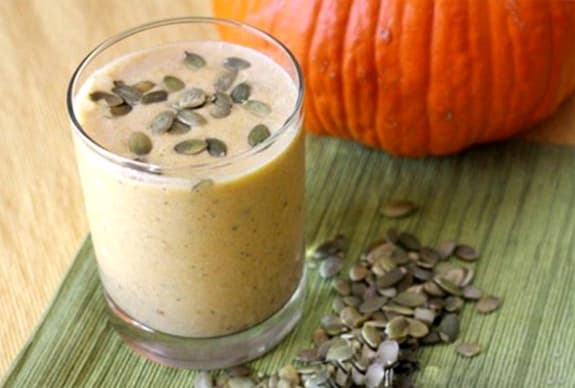
What are the benefits of pumpkin seed milk?
In cooking and nutrition, pumpkin seed milk is valued not only for its originality but also for the benefits it may bring to many body systems...
With regular use, pumpkin seed milk may:
- replenish valuable nutrients, helping reduce persistent fatigue
- support the nervous system: improve sleep quality, mood, memory, and productivity
- support metabolic processes and improve nutrient absorption
- act as a mild diuretic and choleretic, helping reduce puffiness and intestinal discomfort
- improve the condition of skin and hair, which many people especially appreciate
- ease nausea during pregnancy
- help in the fight against internal inflammation, so it may be used during colds, digestive discomfort, and some reproductive-system issues.
- be helpful in dietary patterns: it contains no animal fats, so it can be used during fasting or strict plant-based eating.
- unlike cow’s or goat’s milk, plant-based pumpkin seed milk contains no lactose, so people with lactose intolerance can drink it without concern.
Some features deserve special attention because they are particularly important for the body.
For digestion: pumpkin seed milk has a mild laxative effect and can speed up digestion. It may be helpful for sluggish bowel motility and a tendency toward constipation. It may reduce bloating, relieve heaviness after meals, and improve overall well-being.
For people with diabetes: pumpkin seeds and pumpkin seed milk contain very little sugar and do not typically cause sharp glucose spikes. With regular use, seed milk may help support healthier sugar levels. This can be useful for type 2 diabetes (consume regularly only as agreed with a doctor).
For cleansing the body: pumpkin seed milk contains vitamins, fatty acids, and amino acids. These properties can support natural cleansing processes. Used according to trusted routines, it may support regularity, help reduce intestinal buildup, support peristalsis, and aid the removal of unwanted residues.
Some traditional practices use unpeeled pumpkin seeds, as they are believed to affect intestinal parasites; if combining with laxatives, some claim it may help remove them without pharmacy medicines.
For anemia: people in northern regions often experience vitamin shortages. Anemia can also develop due to poor diet, illness, or stress. Milk from ground pumpkin seeds provides many vitamins, acids, and minerals. It contains iron and folate, which may help support hemoglobin and improve vitality and endurance.
For the heart and blood vessels: the drink may help support healthier cholesterol levels. Phytosterols may help maintain normal blood viscosity, while fatty acids and fiber support cardiovascular health. With regular use, it may support normal blood pressure, reduce dizziness, and improve oxygen delivery. Such support can matter at any age.
For the urogenital system: anti-inflammatory properties may support urogenital health. For men, the high zinc content is traditionally associated with prostate support. Improved circulation may also support libido. For women, it may help relieve discomfort associated with cystitis. Iron content can help replenish losses during menstruation and support energy levels.
It can also be used as a supportive drink for kidney health, helping reduce puffiness and promote fluid balance.
How to make pumpkin seed milk at home?
Ready-made pumpkin seed milk is typically found only in specialty shops, but you can also make it at home — the ingredients are simple and the homemade drink can be just as beneficial...
You will need 1 cup of unpeeled pumpkin seeds and 4 cups of drinking water.
Method: rinse the seeds under cold running water in a small pot and soak for 5 hours (the seeds swell and their beneficial components become more available).
After 5 hours, drain the soaking water, rinse again, place the seeds in a blender or food processor, add 4 cups of water, and blend until smooth and white. Then strain through tightly folded cheesecloth to remove the pulp. Pour into a glass container and use as desired.
Seeds should be high quality: no defects, dark spots, or unpleasant smell (then the drink will be pure white or lightly creamy, with a mild pumpkin aroma).
You can drink it plain, or add sweeteners (sugar, natural honey, dried fruit), as well as chopped nuts or berries.
What can you make with pumpkin seed milk?
Pumpkin seed milk is useful on its own and also pairs well with many foods. It’s used for vitamin smoothies, hearty porridges, baking, creamy soups, desserts, and sauces.
A pleasant and delicate option is cream soup with pumpkin seed milk: cut 300 g fresh pumpkin flesh into small pieces; wash, peel, and chop 1 large potato. Put vegetables in a pot and cover with water so it sits 1 cm above them.
Sauté 1 carrot and 1 onion in a hot pan after grating/chopping them.
Add to the pot, simmer on low heat until vegetables are soft. Remove from heat, add 50 ml pumpkin seed milk, and blend until smooth. Garnish with herbs and serve.
You can also make a tasty fruit smoothie: wash, peel, and chop a banana and a fresh apple; put into a blender, add 150 ml pumpkin seed milk, and blend until smooth (optionally add a spoon of honey or a pinch of cinnamon).
Another dish is rice porridge for a wholesome breakfast: pour 1 cup pumpkin seed milk into a saucepan, bring to a gentle boil, add 3 tablespoons rice and cook until tender; salt to taste 5 minutes before it’s done. Optionally add honey or about 30 g soft raisins.
You can also add the drink to tea or coffee, make cocoa with it, or drink it as-is with cookies or gingerbread.
Limitations and contraindications.
Pumpkin seed milk is not suitable for everyone. Contraindications may include:
- gastritis with high acidity during flare-ups (natural acids may worsen symptoms)
- peptic ulcer disease or pancreatitis during flare-ups
- allergy to pumpkin and its seeds
- tendency to diarrhea (it can have a laxative effect).
As with any product, moderation matters: typically no more than 1 glass per day, otherwise it may cause diarrhea or nausea.
Important! For homemade milk, use only fresh, healthy seeds in intact shells. If seeds smell unpleasant or taste bitter/sour, discard them — they’re not suitable for milk or eating.
How to store pumpkin seed milk?
Vitamins and natural acids make it valuable but shorten shelf life. Fresh milk keeps 3–5 days; if sweeteners or fruit pieces are added, storage drops to 24 hours.
Store only in the refrigerator. At room temperature or in light it spoils within a couple of hours and becomes unsafe.
Greek-style pumpkin.
A delicious, spicy Mediterranean dish, intensely aromatic with basil, pepper, and garlic. It turns pumpkin wonderfully juicy and tender.
Serve as a main dish or as a side for meat.

You will need –
- Pumpkin (sweet varieties) — 1 kg
- Tomato purée — 60–80 ml
- Salt — 1/2 tsp
- Ground black pepper — 1/2 tsp
- Water — 40 ml
- Olive oil — 3–4 tbsp
- Basil (dried) — 1 tsp (you may use a Provençal herb mix)
- Garlic — 2–4 cloves
Cut the pumpkin into large cubes and fry in a pan with olive oil.
Chop the garlic and add it to the pumpkin. Add basil or the herb mix, lightly salt, and stir. Fry until the pumpkin gets a golden crust.
Then add tomato purée and mix thoroughly. Cover and simmer until tender for about 20–25 minutes.
Greek-style pumpkin is ready. Enjoy your meal!